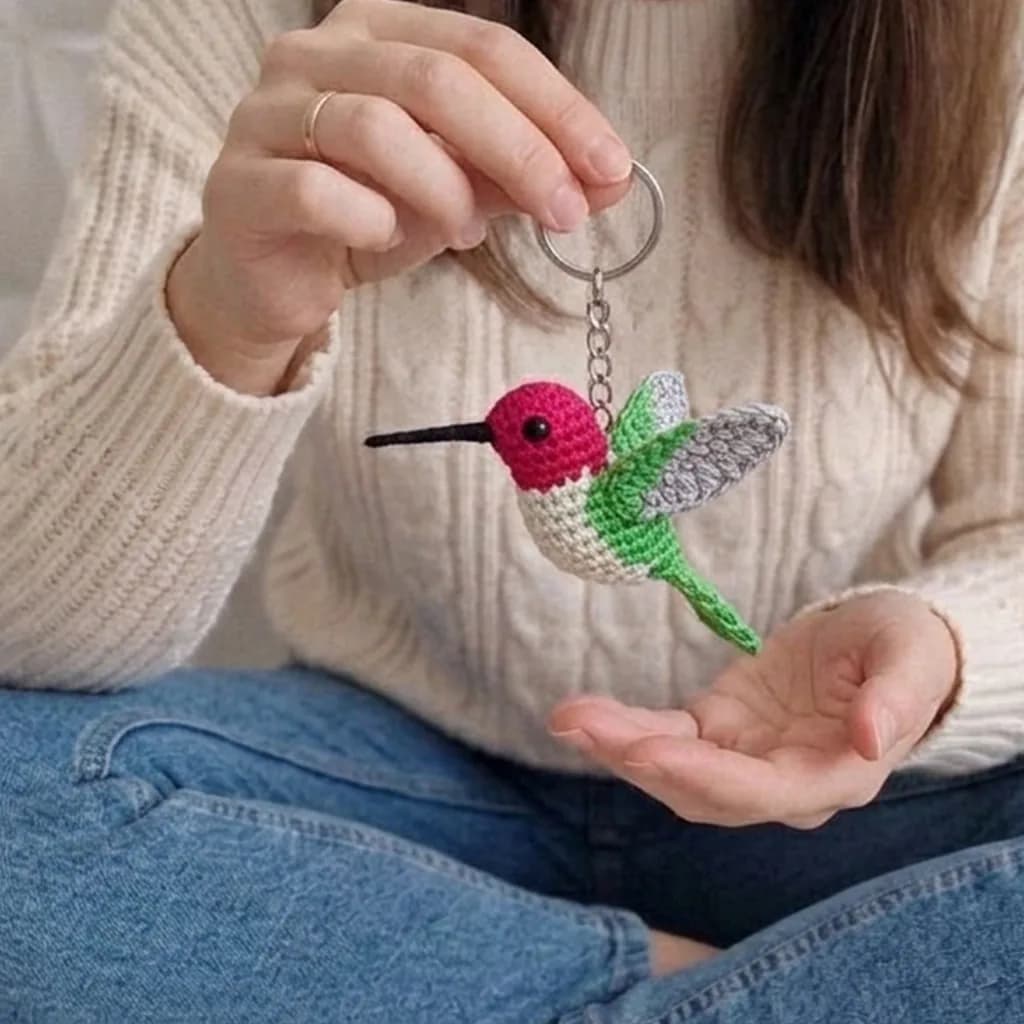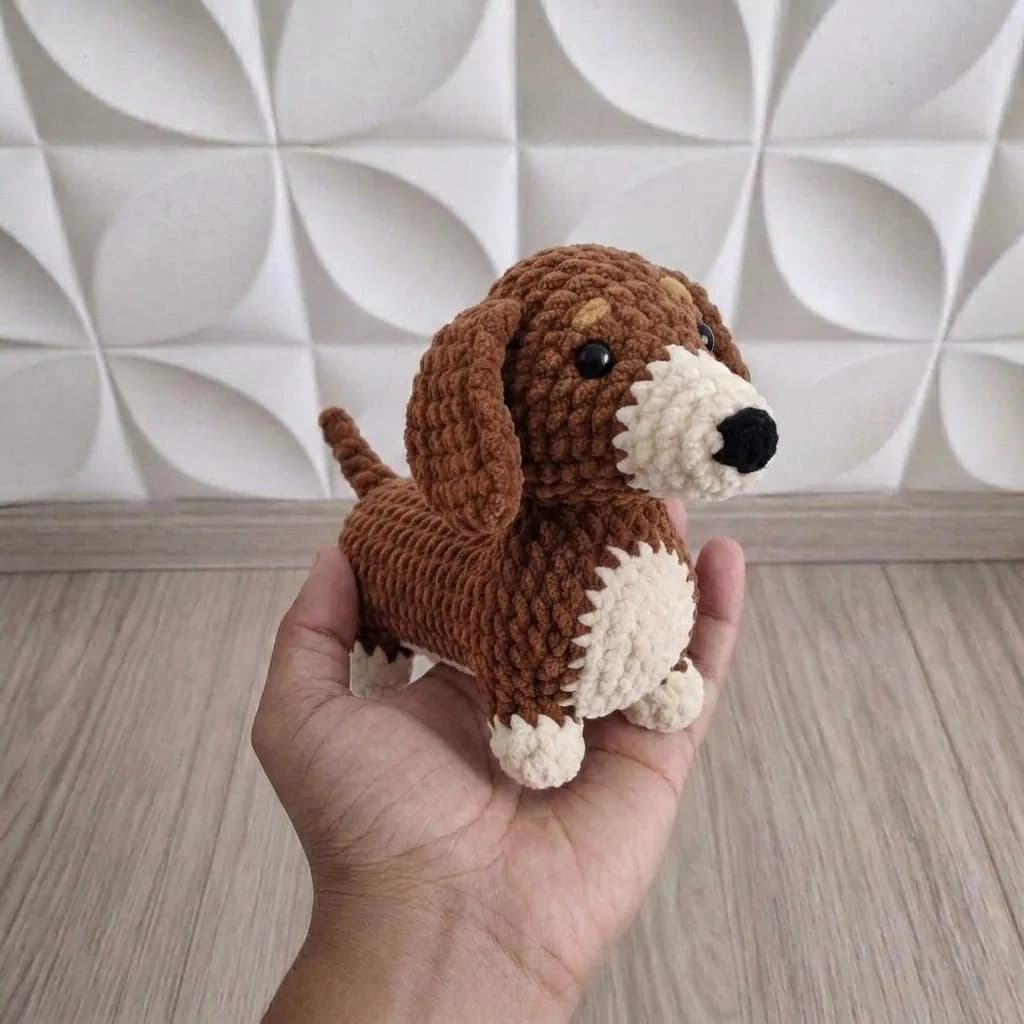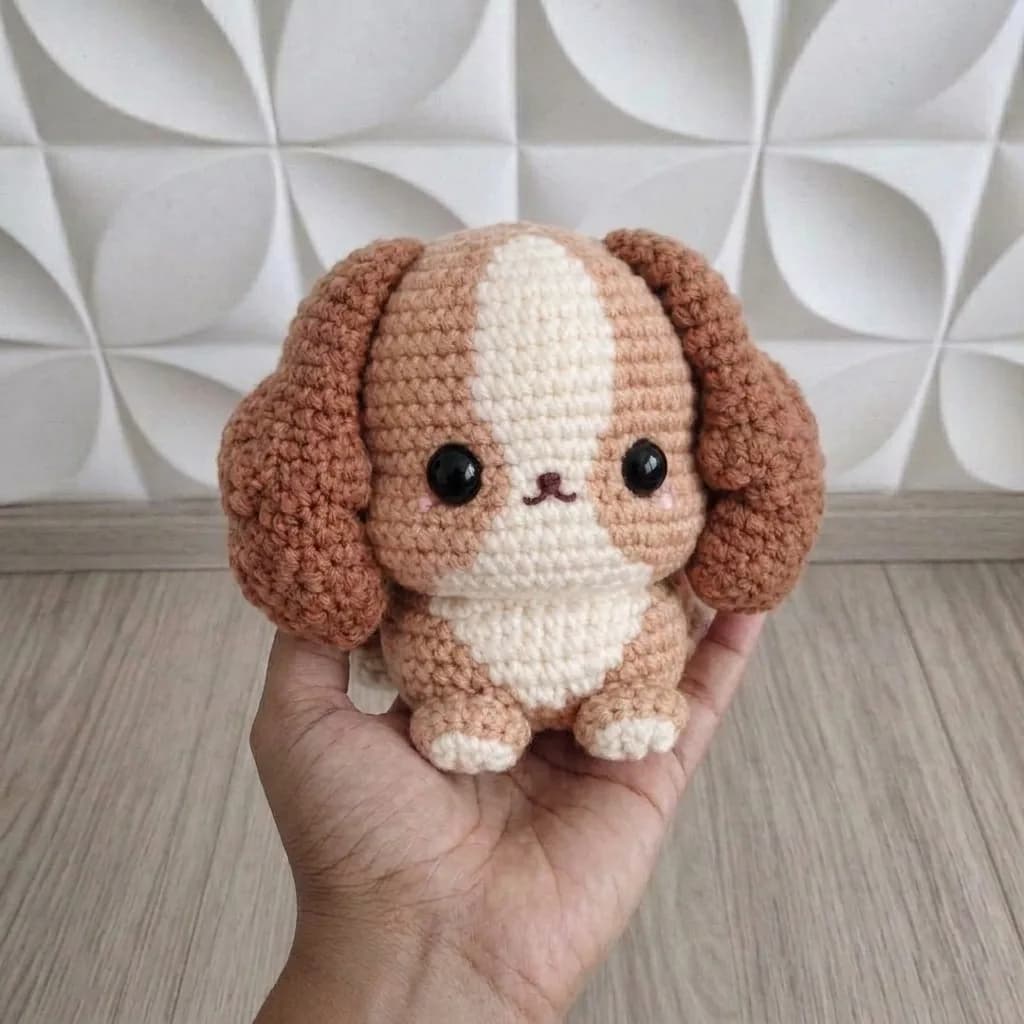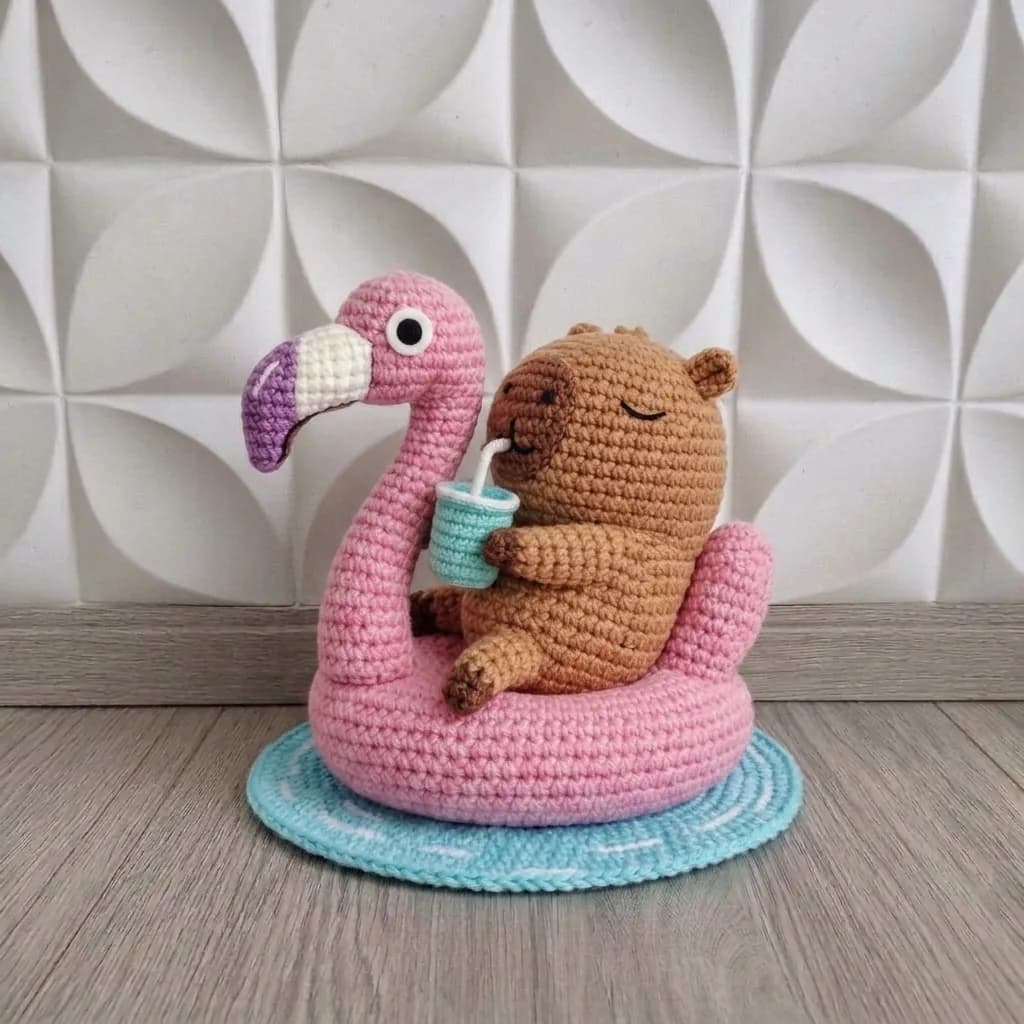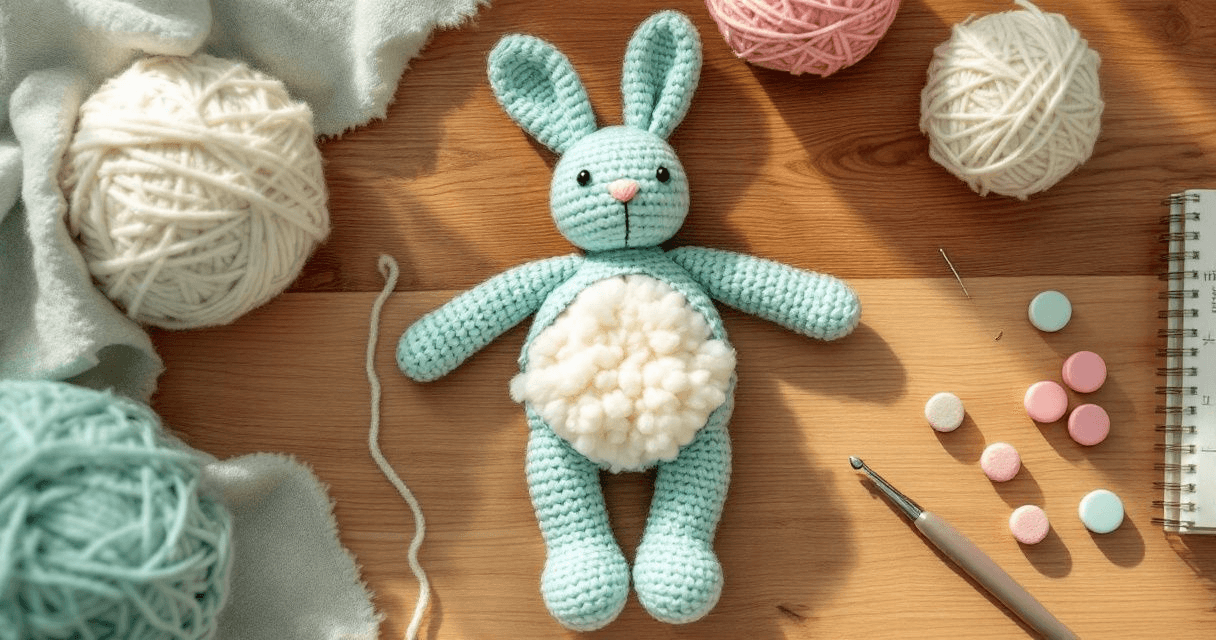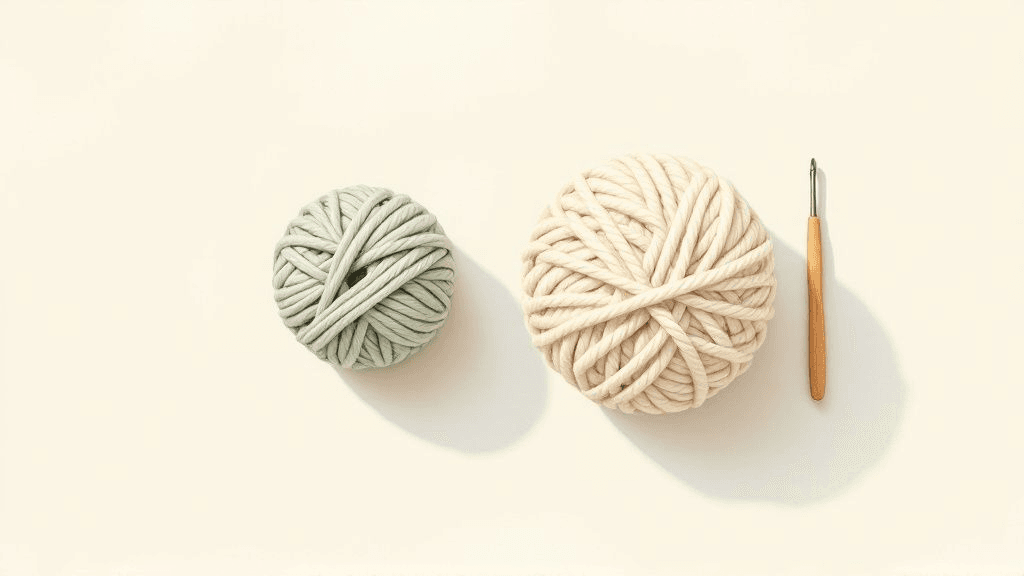
To make amigurumi bigger or smaller, keep the pattern exactly as written and change the yarn weight and hook size together. Thicker yarn with a larger hook gives bigger stitches and a bigger toy; finer yarn with a smaller hook gives a smaller one. The proportions stay the same because every round is unchanged.
Why changing yarn works better than changing rounds
An amigurumi pattern is a set of proportions. The head has a certain number of stitches compared with the body, the ears are a certain size compared with the head, and the shaping rounds are spaced to produce particular curves. If you add extra increase rounds to the head only, or extra even rounds to the body only, you change those proportions and the toy looks different, not just larger.
Changing the yarn and hook scales every stitch by the same amount, so every part grows or shrinks together. Size depends on stitch size, and stitch size depends mostly on three things:
- the thickness of the yarn,
- the size of the hook,
- your own tension.
Yarn weights and what they change
The Craft Yarn Council groups yarns into numbered weight categories from 0 (lace) to 7 (jumbo). Amigurumi is usually worked with a hook smaller than the yarn label suggests, to get a tight fabric, so the hooks in this table are typical amigurumi choices rather than label recommendations.
| Yarn weight | Category number | Typical amigurumi hook | Effect on a toy |
|---|---|---|---|
| Fine (sport) | 2 | 2.25 to 2.75 mm | Small, detailed pieces |
| Light (DK) | 3 | 2.75 to 3.5 mm | Small to medium toys |
| Medium (worsted) | 4 | 3.5 to 4.5 mm | Medium toys, common in patterns |
| Bulky | 5 | 5 to 6 mm | Large, soft toys |
| Super bulky / chenille-style | 6 | 6 to 8 mm | Very large cuddly toys |
Treat these as starting points. Two yarns in the same category can still differ in thickness, and your hand matters as much as the label.
Estimating the new size with a test piece
You can predict the finished size before committing to a whole toy.
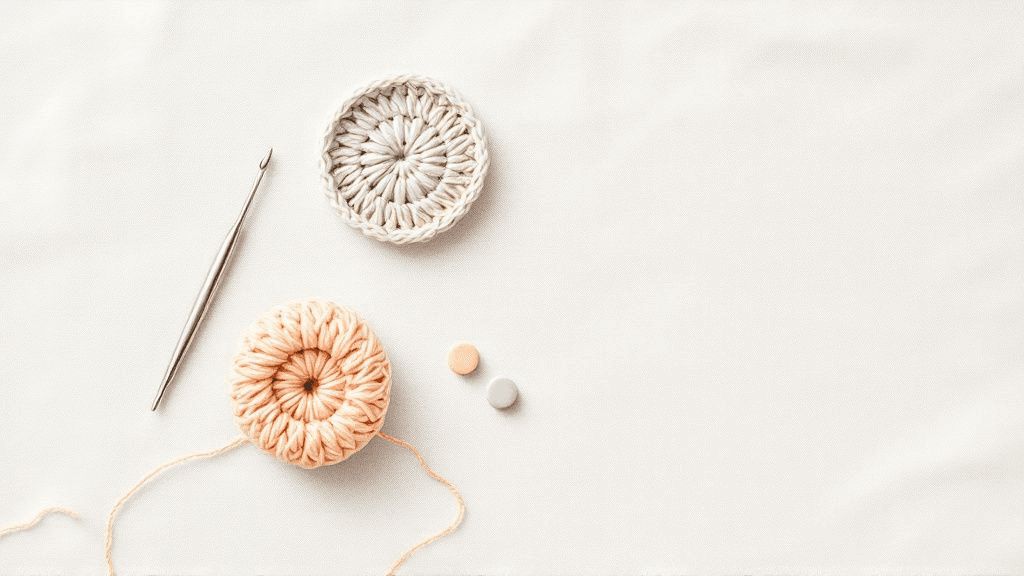
- Crochet the first few rounds of the head in the yarn and hook the pattern recommends, if you have them, and measure across. If not, use the finished size given in the pattern and the yarn the designer used.
- Crochet the same rounds in your new yarn and hook, and measure across.
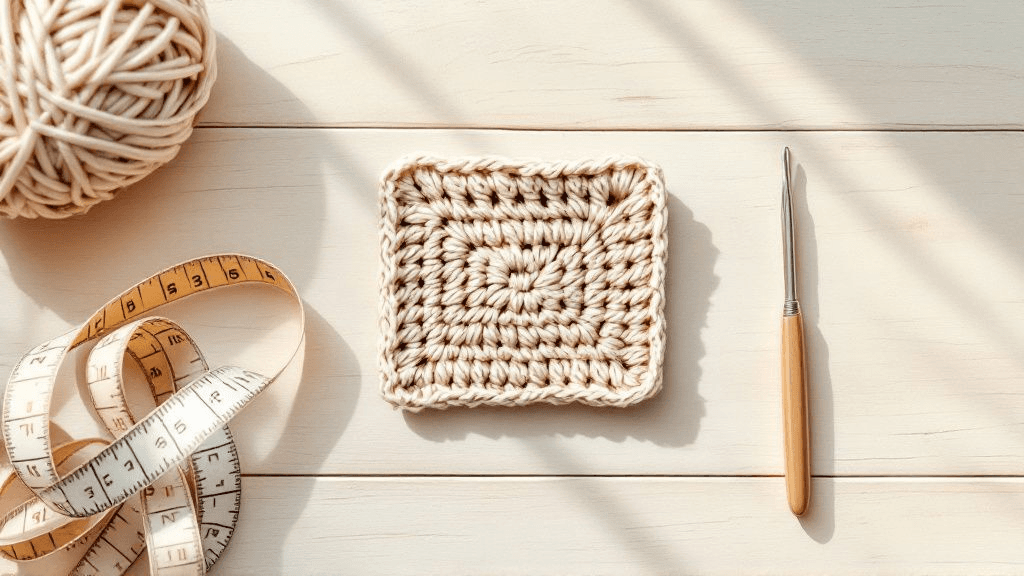
- Divide the new width by the original width. That number is your scale factor.
- Multiply the pattern's finished height by the scale factor.
For example, if the first six rounds measure 5 cm across in the original yarn and 7.5 cm in a bulkier yarn, the factor is 1.5. A toy listed at 20 cm will finish around 30 cm. This is an estimate: stuffing, the way you attach parts and small differences in tension all move the final size a little.
Measuring a small test piece is closely related to gauge; our guide to gauge for amigurumi explains how to measure stitches and rounds accurately.
How much yarn you will need
Bigger stitches use much more yarn than the scale factor suggests, because a toy grows in height, width and depth at once. A rough rule many makers use: if the toy's height doubles, plan for several times the original yarn amount. Rather than guess, weigh your test piece, compare it with the same rounds in the original yarn if you can, and scale up from there. Buy all the yarn for one color from the same dye lot if the label lists one, since shades can vary between lots.
Keeping the fabric tight at any size
The fabric needs to stay dense enough that stuffing does not show, whatever the size.
- Going bigger: bulky yarns can look loose with the hook the label suggests. Go down a size or two until the stitches close up.
- Going smaller: fine yarns make crisp detail, but very small hooks can be tiring. Work in good light and keep a stitch marker in every round.
If your stitches gap at the new size, our guide to crochet tension covers ways to tighten up without straining your hands.
Parts that do not scale automatically
Most of a toy grows or shrinks with the yarn, but some parts are separate items that need a decision of their own.
| Part | What to do when resizing |
|---|---|
| Safety eyes and noses | Choose a diameter in proportion to the new head; check how much fabric the washer needs behind it |
| Embroidered features | Use thicker thread or more strands on a large toy, fewer on a small one |
| Buttons and small trims | Rescale, and leave them off toys for young children |
| Outfits | Resize with the same yarn and hook change as the toy, or measure the finished toy and adjust |
| Stuffing amount | Scales with volume, so plan generously for a larger toy |
When adding rounds is the right choice
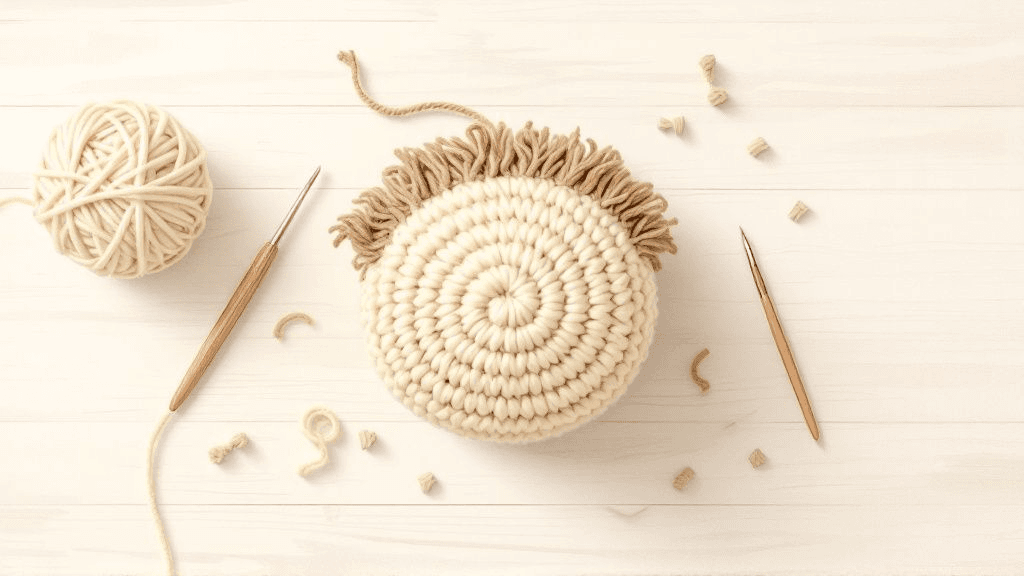
Sometimes you do want to change proportions rather than scale them: a longer body, a taller hat, longer legs. In those cases, add even rounds (rounds without increases or decreases) in the straight part of the piece, not in the shaping rounds. Note what you changed so the matching piece, such as the second leg, comes out the same.
A useful middle path is to scale with yarn and then make one small proportion change, such as two extra even rounds in the legs so a larger toy sits better. Make the change on both legs, count carefully and write it in the margin of your printed pattern.
Changing the number of increase rounds is a bigger step. It makes a part wider, and every part that attaches to it, such as a neck opening or a head, may need adjusting too. If you are new to resizing, scale with yarn first and try proportion changes on your next make.
A resizing checklist
- Choose the new yarn and pick a hook that gives a tight fabric.
- Crochet a test piece and work out your scale factor.
- Estimate the yarn quantity with generous margins.
- Rescale eyes, noses and outfits with the toy.
- Keep a notebook of yarn, hook and finished size for next time.
Whichever design you resize, from our amigurumi PDF patterns or elsewhere, start from the yarn weight and hook the pattern names, and work out your scale factor from there.